
The India–European Union Free Trade Agreement (FTA) is expected to bring a major transformation to India’s car market. Import duties on European vehicles and components, which currently go up to 110%, may gradually reduce to 10–20%. For Volkswagen, this could unlock major pricing advantages across hatchbacks, sedans, SUVs, and electric vehicles. Although some Volkswagen models are locally manufactured, they still rely heavily on imported engines, gearboxes, electronics, safety systems, and EV battery packs. Once tariffs on these components fall, Volkswagen can significantly lower production and import costs and pass the benefits to Indian customers.
Below is a model-wise breakdown of Volkswagen cars and how their prices could change after the FTA.
Volkswagen Polo Price After India–EU FTA
The Volkswagen Polo is one of the most loved premium hatchbacks in India and still enjoys strong brand loyalty. If reintroduced or imported again, its current estimated price would be around ₹10–12 lakh, which could fall to ₹8–9 lakh after the FTA. The Polo uses European-sourced engines, transmissions, and safety modules that attract heavy duties. With tariff reductions, Volkswagen could price the Polo more competitively, making it a strong rival to premium hatchbacks like the i20 and Baleno while maintaining its solid build and driving dynamics.

Volkswagen Golf Price After India–EU FTA
The Volkswagen Golf is a globally iconic hatchback that many Indian enthusiasts admire. As a fully imported model, it would currently cost around ₹35–40 lakh in India. After the FTA, the estimated price could fall to ₹25–30 lakh. The Golf relies on advanced turbo engines, DSG gearboxes, digital cockpits, and safety technologies imported from Europe. Reduced duties would significantly lower its landed cost, making the Golf a realistic option for premium hatchback buyers who want performance, practicality, and European build quality.
Volkswagen Virtus Price After India–EU FTA
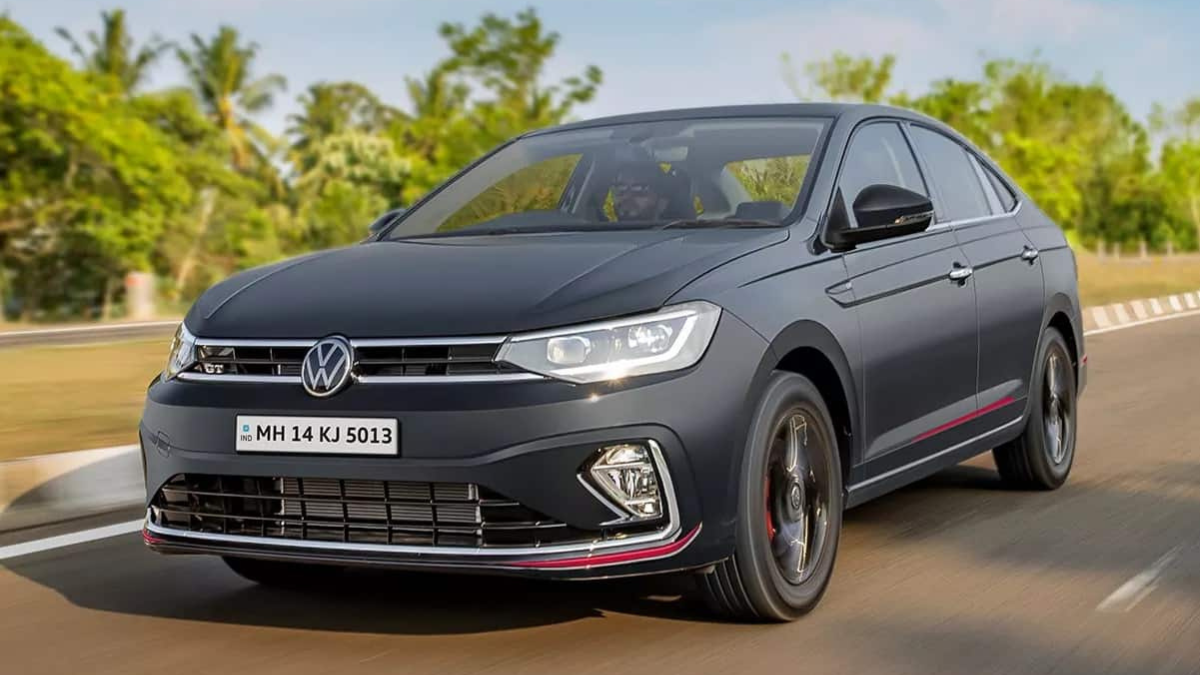
The Volkswagen Virtus is already manufactured in India and is priced between ₹11–19 lakh. After the FTA, its estimated price could drop slightly to ₹10–17 lakh. Although locally made, the Virtus still uses imported engines, electronics, and safety modules. Lower tariffs on these parts would reduce production costs. Volkswagen could pass on these benefits by offering more features at the same price or lowering entry variants, making the Virtus even more competitive against the Honda City, Hyundai Verna, and Skoda Slavia.
Volkswagen Passat Price After India–EU FTA
The Volkswagen Passat is a premium executive sedan that was earlier sold as a CBU in India. Its estimated current price would be around ₹45–50 lakh. After the FTA, it could fall to ₹32–38 lakh. The Passat uses imported powertrains, luxury interiors, and electronic systems sourced from Europe. Reduced duties would allow Volkswagen to reintroduce the Passat at a much more competitive price, giving buyers an affordable alternative to entry-level luxury sedans while offering German comfort and reliability.

Volkswagen Arteon Price After India–EU FTA
The Volkswagen Arteon is a stylish luxury sedan positioned above the Passat. As a fully imported model, it would currently cost around ₹55–60 lakh in India. After the FTA, the estimated price could drop to ₹38–45 lakh. The Arteon features advanced digital systems, premium interiors, and powerful engines imported from Europe. Lower import duties would significantly reduce its price, making it a strong competitor to luxury sedans like the Audi A4 and BMW 3 Series while offering unique design and performance.
Volkswagen Tiguan Price After India–EU FTA
The Volkswagen Tiguan is currently sold in India as a fully imported SUV, priced around ₹35–38 lakh. After the FTA, it could drop to ₹25–30 lakh. The Tiguan depends on imported engines, safety tech, and infotainment systems, which attract heavy duties. With reduced tariffs, Volkswagen could price the Tiguan aggressively, making it one of the most value-for-money premium SUVs and a direct rival to the Jeep Compass, Hyundai Tucson, and Skoda Kodiaq.
Volkswagen Taigun Price After India–EU FTA
The Taigun is manufactured in India and priced between ₹11–19 lakh. After the FTA, its estimated price could fall slightly to ₹10–17 lakh. Like the Virtus, it still uses imported powertrain and electronic components. Lower duties would help Volkswagen reduce costs and offer better value. This would strengthen Taigun’s position against the Hyundai Creta, Kia Seltos, and Skoda Kushaq.

Volkswagen T-Roc Price After India–EU FTA
The Volkswagen T-Roc was earlier sold as a CBU and priced at around ₹22–24 lakh. After the FTA, it could drop to ₹16–18 lakh. The T-Roc uses imported engines, DSG transmissions, and safety modules. Lower tariffs would make it an attractive lifestyle SUV option for urban buyers.
Volkswagen Touareg Price After India–EU FTA
The Touareg is Volkswagen’s flagship luxury SUV and is fully imported. Its current estimated price is around ₹1.20–1.30 crore. After the FTA, it could fall to ₹85–95 lakh. Reduced duties would make it a strong competitor to luxury SUVs from Audi, BMW, and Mercedes.
Volkswagen ID.3, ID.4 & ID.7 Price After India–EU FTA
Volkswagen’s electric lineup includes the ID.3, ID.4, and ID.7, currently expected to cost between ₹35 lakh–₹70 lakh. After the FTA, prices could drop by 20–30%. High battery import costs inflate EV prices, and lower tariffs would accelerate EV adoption in India.

Leave a Reply